
It has captured 38 per cent of the feature phone segment in 2018 through frequent innovation, says Arnab Dutta.

Oppo's FDI application approved for single-brand retail trading

Chinese mobile brands are deeply entrenched in the Indian market. A move to bar them may send a bold diplomatic message. But its cost for the local industry is anybody's guess. In the event that Chinese brands face curbs, two handset makers - Samsung and Apple - squarely stand to gain.

In spite of being attacked from all corners, a faltering supply chain and negative sentiments soaring high among the local consumers, top Chinese smartphone brands gained market share during the most critical phase - the April-June quarter of this year.
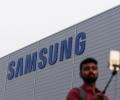
Streamlining its delivery network and shifting focus back to the mass segment - at a time when competitors were struggling to restore normalcy in operations due to the pandemi - aided the firm's revival.

In the coming weeks, online retailers are expected to further raise the pitch with shopping festivals, discounts, and cashback offers.

From Samsung to Apple iPhone XR, smartphone firms are showering discounts in April.

Nokia has managed to enter the top-five list in the feature phone market within six months of its comeback
The number of new entrants is decreasing since 2015, as Indian market matures

Following the footsteps of Motorola, Chinese handset maker Xiaomi is also teaming up with e-Commerce major Flipkart to launch its handsets in India.

With its new line-up, the firm has managed to touch the right chords, but to regain market share from the established players, Micromax will have to fight a protracted battle.
The first half of the year (H1-2020) was marked by sluggish growth with demand down 26 per cent YoY, while the second half saw recovery. H2-2020 recovered with 19 per cent YoY growth, reports Shivani Shinde.

India is the world's third-largest smartphone market.

The strategy of selling the phone will remain the same.

Even as the government's move to hike import duties on 45 items is seen as a sign of protectionism, the prime minister was himself involved in the process.

Expansion of distribution network, venturing into new markets, supplementing production capacity, and ramping up workforce are all on the cards. Instead of trying to fight with brands having massive war chests, it will pass on the benefits to consumers by offering them phones at lower prices.

Chinese handset maker Xiaomi has begun covering its retail store branding with white 'Made in India' logo amid fears of vandalism at outlets against the backdrop of Sino-India border tension, the All India Mobile Retailers Association said. The association had written to Chinese mobile brands to highlight the threat of vandalism at offline stores by people amid calls for boycotting Chinese products in certain sections.

While the 'Made in China' tag continues to be dominant as far as handsets in India go, things are beginning to change.

Himanshu Juneja finds out what the handset has to offer

Chinese handset maker OnePlus on Tuesday said it expects India to become its biggest market in the next few months.

Samsung is lining up new products, increasing focus on e-commerce channels and tightening its grip over retail outlets.

If you have a budget of just under Rs 50,000, usher in the New Year with these beauties.
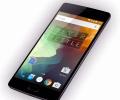
OnePlus announces plans to make in India

It has 18.9 per cent share of the market, down from 22.6 per cent for the third quarter of 2018 while Xiaomi has 27.1 per cent share.

The company said this new approach allows developers to train artificial intelligence models without the user data leaving the device, while allowing it to do more with less data.

The once-popular brand plans to try its luck in the smartphone market with reliability as its key proposition.

Budget smartphones will rule the market in 2015.

Get ready for more firepower as smartphone makers plan to dazzle you with high processing power, bigger RAMs and of course, cameras that come with beastly megapixels.

In 2015, as many as 15 major Chinese smartphone brands stepped into India.

Apple and Samsung are international players and should work as a team with domestic companies to transform India into a global powerhouse: IT Minister Ravi Shankar Prasad.

After six weeks into the second half, the faltering offline channel, which traditionally rakes in 60 per cent of sales for the market, has become the biggest hurdle towards the path of revival.

At Rs 8,999, this 'Made in India' budget smartphone competes with Chinese rivals Xiaomi Redmi 4, Nubia N1 Lite and Xiaomi Redmi Note 4. But can it win Micromax the lost ground?
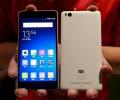
Chinese handset maker Xiaomi overtook Samsung to become the top player in the Indian smartphone market in the December quarter, ending the Korean company's 6-year dominance, reports by Canalys and Counterpoint Research said.

Lenovo, Xiaomi, Vivo, Gionee lead the onslaught, beating Indian and global brands with smart deals and astute image management measures.
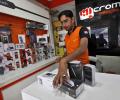
Internal management tensions, stiff opposition from Chinese handset makers led to halving of the company's market share

Lei Jun, founder and CEO of Xiaomi, in an internal letter on Wednesday, announced that the company has sold one million smartphones in the first 18 days of this month in India, state-run China Daily reported.

Pitch Madison says advertising expenditure will grow 13.5% this calendar year

One of Apple's suppliers, Salcomp, will invest Rs 2,000 crore over the next five years to make components at a Nokia plant in Chennai. The facility, which has been closed for nearly 10 years, will be revived and made operational from March 2020.

6GB RAM, 16MP camera, Qualcomm Snapdragon 820 processor... Himanshu Juneja reviews the OnePlus 3

The authors look at some of these android phones will help you decide which one to buy.
 © 2026 Rediff.com - Advertise with us - Disclaimer - Privacy Policy - Sitemap - Feedback - About us - Terms of use - Grievances